In today’s fast-moving world, getting products from factories to customers quickly and safely is more important than ever. You might wonder, what is one way that technology can improve the distribution of goods? The answer lies in using smart technology to streamline logistics. From tracking shipments to predicting demand, technology makes the whole process smoother and faster. Businesses no longer need to rely solely on guesswork or manual methods. With the help of advanced systems, goods can reach the right place at the right time, saving money and improving customer satisfaction. In this article, we’ll explore multiple ways technology enhances the distribution of goods, with practical examples, insights, and benefits.
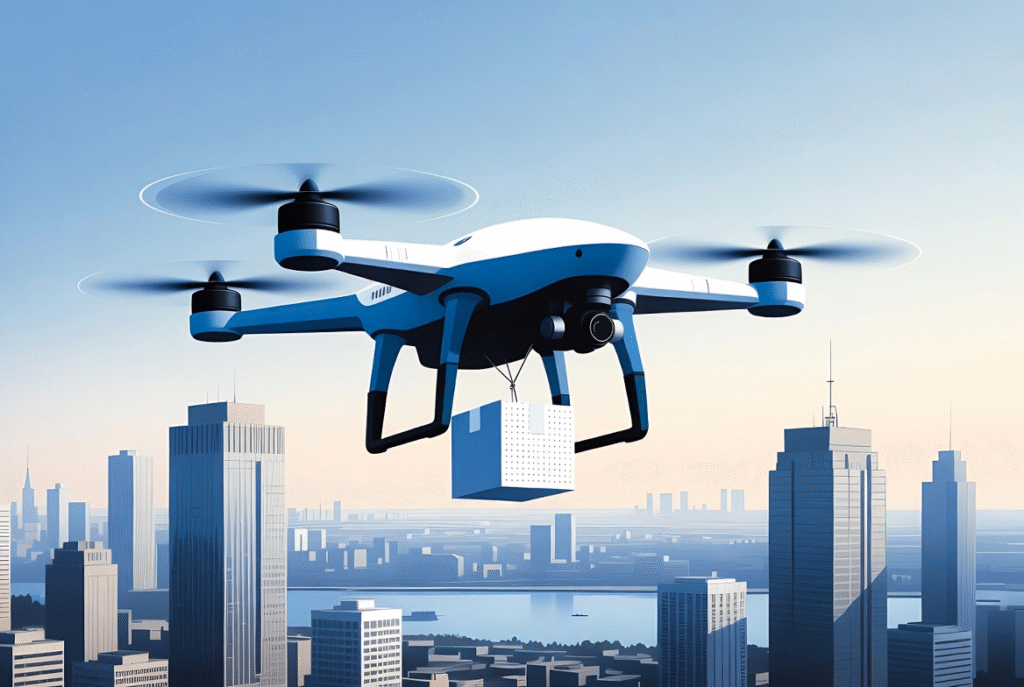
Table of Contents
Real-Time Tracking Systems
One way that technology can improve the distribution of goods is through real-time tracking. Companies use GPS and RFID (Radio Frequency Identification) devices to know exactly where a product is at any moment. This reduces delays and prevents lost shipments. For example, online stores like Amazon provide live tracking for packages, letting customers see updates. Real-time tracking also helps warehouses and delivery teams plan routes better, saving fuel and time. Businesses gain a huge advantage by preventing delays, reducing errors, and improving trust with customers.
Automated Warehouses
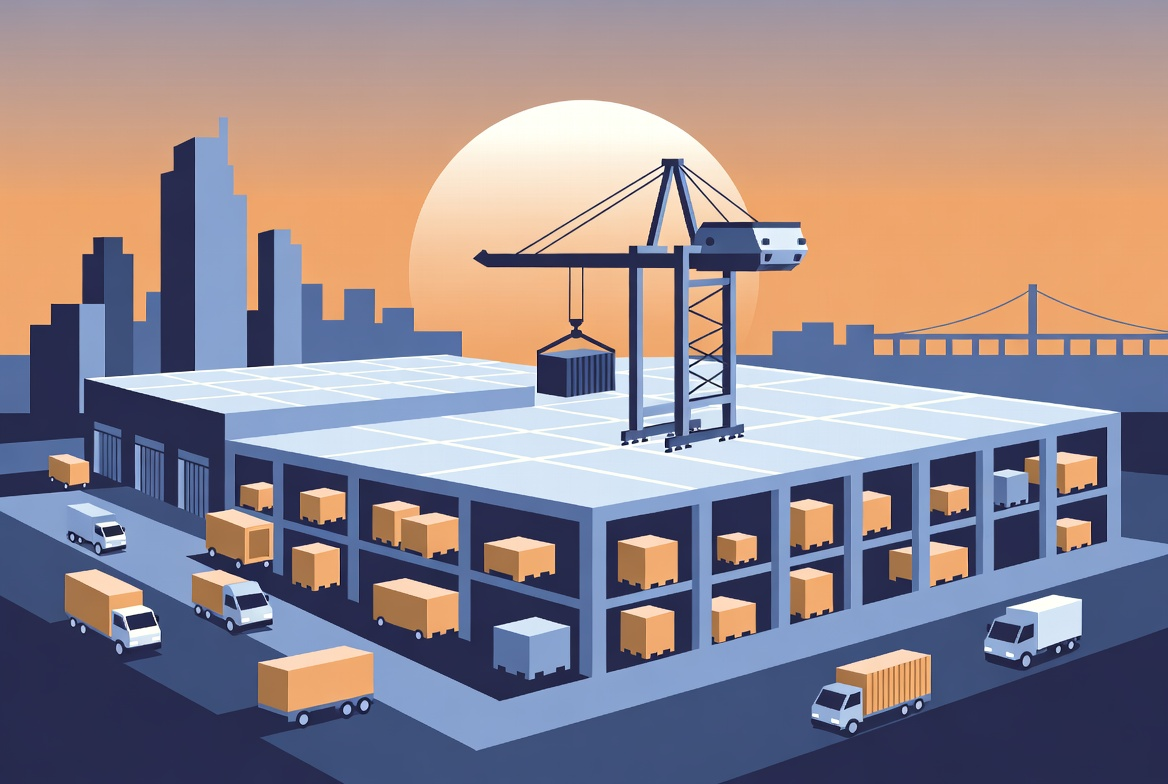
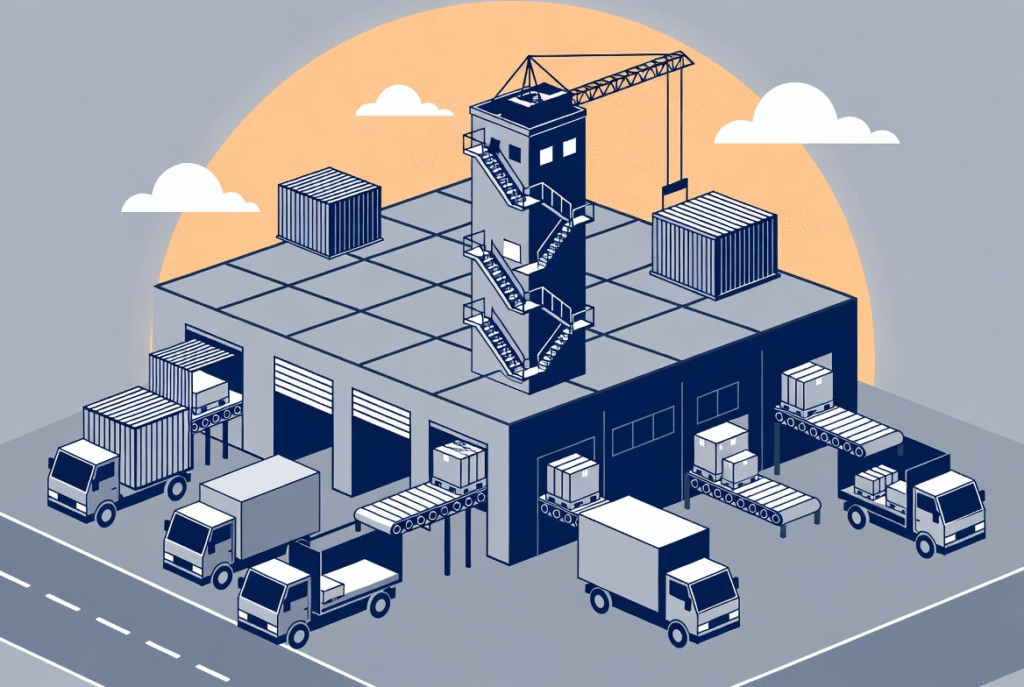
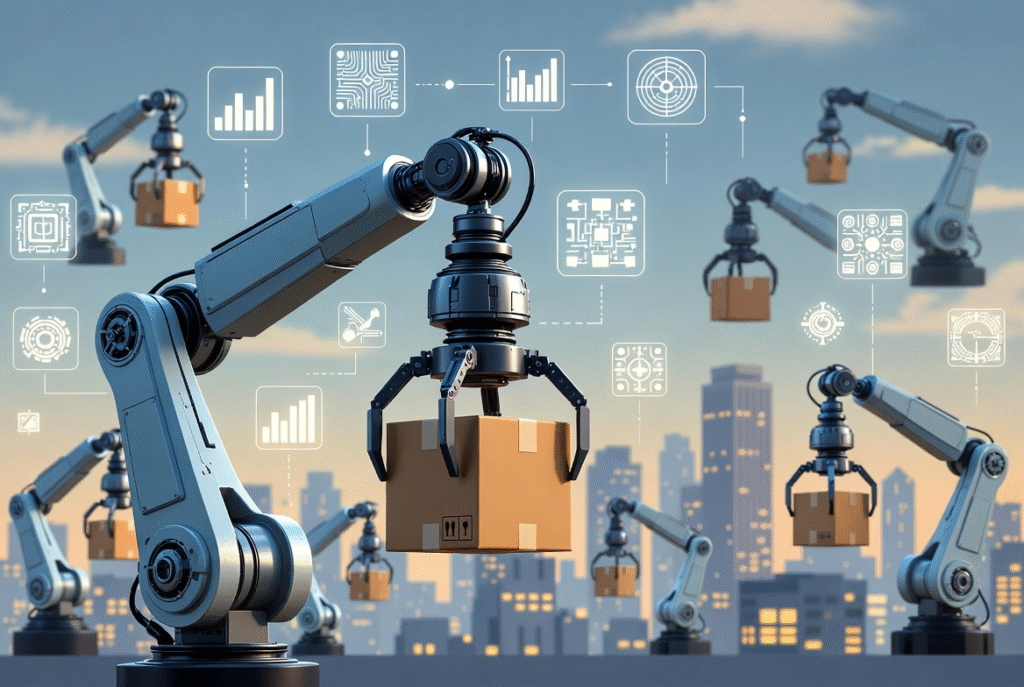
Automated warehouses are transforming distribution. Robots, conveyor belts, and AI systems organize, pick, and pack goods faster than humans alone. This is a key example of what is one way that technology can improve the distribution of goods. Automation minimizes errors, speeds up shipping, and cuts costs. Walmart and Alibaba are examples of companies using automation to handle thousands of orders daily. These systems also make inventory management more accurate. With fewer mistakes, customers receive their orders quickly, improving overall satisfaction.
Artificial Intelligence for Demand Forecasting
AI plays a huge role in predicting what products will be needed, where, and when. By analyzing trends, purchase patterns, and seasons, AI helps companies avoid overstock or shortages. This is another powerful example of what is one way that technology can improve the distribution of goods. For instance, grocery stores use AI to ensure popular items are always available, reducing waste. By predicting demand accurately, businesses save money and enhance customer trust.
Cloud-Based Logistics Platforms
Cloud technology allows companies to connect multiple warehouses, suppliers, and delivery partners on a single platform. This is an important way technology improves the distribution of goods. Cloud platforms track inventory, manage orders, and schedule shipments in real time. For example, FedEx and DHL use cloud-based systems to coordinate deliveries worldwide. The result is smoother communication, fewer mistakes, and faster service.
Drones and Autonomous Vehicles
Technology is even changing delivery methods. Drones and self-driving vehicles are now used to deliver packages faster, especially in remote areas. This answers the question what is one way that technology can improve the distribution of goods with cutting-edge innovation. Companies like Zipline deliver medical supplies in hard-to-reach locations, saving lives. Autonomous delivery reduces human labor, cuts transportation time, and improves reliability.
Smart Inventory Management
Smart inventory systems use IoT sensors to monitor stock in real time. This helps businesses know exactly what is available and when to restock. Using these systems is another solution to what is one way that technology can improve the distribution of goods. Retailers can avoid empty shelves and reduce overstock. For example, grocery chains use sensors to track perishable items, ensuring they are sold before expiry. Customers get what they need without delay, and companies save money.
Blockchain for Supply Chain Transparency
Blockchain technology makes supply chains more secure and transparent. Each product’s journey is recorded in an unchangeable digital ledger. This is an example of what is one way that technology can improve the distribution of goods by increasing trust. Consumers can verify where a product came from, and businesses can reduce fraud or theft. Walmart uses blockchain to track food products, ensuring safety and reliability.
Route Optimization Software
Software that plans the most efficient delivery routes saves time and money. This is another way technology improves the distribution of goods. GPS and AI suggest the fastest routes, avoiding traffic and delays. Companies like UPS and FedEx rely on this to deliver millions of packages daily. Optimized routes mean quicker deliveries, happier customers, and lower fuel costs.
Mobile Apps for Customer Interaction
Mobile apps improve communication between businesses and customers. Customers can track orders, reschedule deliveries, and give feedback instantly. This is a simple but effective way technology enhances distribution. Apps keep customers informed, reduce missed deliveries, and improve satisfaction. For example, Domino’s Pizza uses apps to update customers on the exact status of their orders.
Predictive Maintenance of Delivery Vehicles
Delivery vehicles often face breakdowns, causing delays. Predictive maintenance uses sensors and AI to detect issues before they happen. This is a hidden way that technology improves the distribution of goods. Companies can prevent costly repairs and delays by servicing vehicles proactively. For logistics companies, this technology ensures deliveries stay on schedule and operations remain smooth.
Enhanced Customer Analytics
Understanding customer behavior is crucial for effective distribution. Technology collects and analyzes data on purchasing habits, delivery preferences, and product demand. This is another answer to what is one way that technology can improve the distribution of goods. Companies can stock items efficiently, choose delivery methods wisely, and offer better services. Businesses like Amazon and Shopify use analytics to improve shipping strategies, benefiting both company and customer.

FAQs
1. How does technology improve shipping speed?
Technology like AI, tracking, and automation speeds up shipping by reducing errors, predicting demand, and optimizing delivery routes.
2. Can drones replace human delivery?
Drones help in fast delivery, especially in remote areas, but humans are still needed for complex logistics.
3. What is the role of AI in distribution?
AI predicts demand, plans routes, and reduces errors in inventory management, improving efficiency and reducing costs.
4. How does blockchain enhance trust in supply chains?
Blockchain records every step of a product’s journey, preventing fraud and ensuring transparency.
5. Are automated warehouses expensive?
While initial setup costs are high, automation saves money in the long run by reducing labor and errors.
6. Why is real-time tracking important?
It helps businesses prevent lost shipments, improve delivery speed, and keep customers informed.
Conclusion
Technology is reshaping how goods reach customers. From drones to AI, smart systems improve speed, accuracy, and efficiency. Answering the question what is one way that technology can improve the distribution of goods?, the clear solution is using technology to make every step faster, smarter, and more reliable. Businesses that adopt these technologies gain trust, save money, and enhance customer satisfaction. Start exploring smart solutions today and watch your distribution system transform!