Choosing a pool cleaner sounds simple until you start comparing options. Many people begin with one basic question: which one cleans best? But that question is too broad. A cleaner that works well in one pool may be a poor fit for another.
The better question is this: which cleaner fits your pool?
Pool size and layout have a direct effect on cleaning performance. They influence how long a cleaner needs to run, how well it can reach problem areas, and how much manual work you may still need to do afterward. If you choose a cleaner without thinking about these details, you may end up with uneven coverage, missed debris, or a routine that still feels too hands-on.
A good choice starts with understanding the pool itself before looking at features.
Start With Pool Size, Not Just Cleaner Claims
Pool size is one of the first things to consider because it affects almost every part of the cleaning process.
A small pool usually needs less cleaning time. It also tends to have fewer areas where debris can spread out and settle. In that kind of setup, a simpler cleaning routine may be enough.
A larger pool creates different demands. There is more floor space to cover, more surface area along the walls, and often a wider range of debris movement. Dirt may collect in one section while leaves drift to another. If the cleaner cannot cover enough area in a practical amount of time, the pool may still need extra work after the cycle ends.
That is why pool size should shape the decision early. A cleaner should not just fit inside the pool. It should be able to clean that pool effectively within a realistic routine.
Think About the Difference Between Small, Medium, and Large Pools
It helps to think in broad categories.
A small pool usually allows faster cleaning and easier visual checks. If debris levels are low and the shape is simple, the cleaning process tends to be more straightforward.
A medium pool often needs a better balance of runtime, coverage, and movement efficiency. This is where many buyers begin to notice that a basic cleaning approach may not feel complete.
A large pool increases the need for strong coverage and practical runtime. If the cleaner is not suited for that size, the cycle may feel too short or too limited. The result is often one of two problems: either the pool is not fully cleaned, or the owner has to restart the process or do extra work manually.
When choosing a cleaner, think about whether the system matches the scale of the pool, not just the fact that it is called a pool cleaner.选择清洁工时,要考虑系统是否与泳池规模相匹配,而不仅仅是它被称为泳池清洁工。
Pool Shape Matters More Than Many Buyers Realize
Size is important, but layout is just as important.
A simple rectangular pool is usually easier to clean. The movement path is more predictable. Corners are limited. Debris often follows a more familiar pattern.
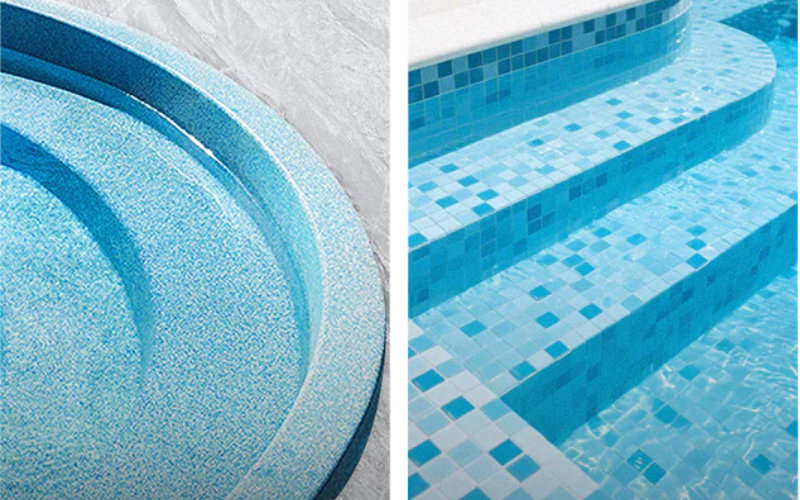
A more complex layout changes everything. Curves, tight corners, tanning ledges, benches, wide steps, and irregular edges can all affect how a cleaner moves. These features can trap debris and create areas that need better navigation or more flexible coverage.
In a complex pool, the cleaner needs to do more than move. It needs to move intelligently. If it repeats the same path too often or struggles with certain sections, some areas may stay dirty while others get cleaned more than once.
That is why layout should never be treated as a minor detail. A pool with a more complex design needs a cleaner that can adapt to it.
Check Where Debris Usually Collects
Your pool’s layout influences not only movement, but also debris patterns.
In some pools, leaves collect near one corner. In others, fine dirt settles near the deep end or along sloped transitions. Steps may gather grit. Ledges may hold small particles that do not move easily. These repeat problem spots tell you a lot about what kind of cleaner you need.
If the pool often traps debris in awkward zones, basic floor coverage may not be enough. If dirt settles in several areas instead of one, the cleaner needs stronger overall coverage. If the waterline becomes a visible issue, that is another sign that surface range matters.
Choosing the right cleaner becomes easier when you know how your pool actually gets dirty. A layout is not only about shape. It is also about how dirt behaves inside that shape.
Match Runtime to Pool Size and Cleaning Demand
Runtime matters because cleaning takes time, especially in larger pools.
A short cycle may work well in a compact pool with low debris. But in a larger pool, a short runtime can create frustration. The cleaner may cover only part of the floor, or it may finish before the dirtiest areas are fully addressed.
This becomes even more important when the pool has a more demanding layout. If the cleaner must work around steps, curves, or separate zones, it may need more time to achieve even coverage.
For pools with more surface area to cover, iGarden Pool Cleaner fits the discussion most naturally when runtime becomes part of the decision, since larger pools are harder to clean well if the cycle ends too soon.
A cleaner should have enough operating time to match both the size of the pool and the complexity of the layout. Without that, convenience drops quickly.
Do Not Ignore Wall and Waterline Needs
Some buyers choose a cleaner based only on the pool floor. That often leads to disappointment.
The floor may hold the most visible debris, but it is not the only cleaning area that matters. Pool walls can collect light buildup over time. The waterline often shows oils, dust, and residue. In many pools, these areas affect how clean the pool looks just as much as the bottom does.
This is especially important in larger pools and in-ground pools with long wall surfaces. If the cleaner only handles the floor, the owner may still need to brush walls or clean the waterline by hand on a regular basis.
That does not mean every pool needs the same level of wall and waterline support. But if those areas become recurring trouble spots, they should be part of the buying decision.
Consider How Easy It Will Be to Use in Your Space
Pool size and layout also affect daily handling.
A larger pool often means more frequent cleaning and more demand on the system. If the cleaner is awkward to use, hard to remove, or frustrating to maintain after each cycle, those small problems become much more noticeable over time.
This matters in real life. A cleaner that looks fine during comparison may become annoying if it does not fit smoothly into the way you actually care for the pool. Ease of use is not only about comfort. It affects how consistently the cleaner gets used.
And consistency is what keeps a pool cleaner in the long run.
Avoid Choosing by General Popularity Alone
A common mistake is choosing the cleaner that seems most broadly recommended without checking whether it matches the pool.
A cleaner may perform well in many situations and still be the wrong fit for your specific setup. A small, simple pool has different needs than a large pool with curves and steps. A low-debris environment is not the same as a pool surrounded by trees or open dust.
This is why general popularity should never replace practical fit. The best cleaner is not the one that sounds best in general. It is the one that suits your pool’s size, shape, and cleaning demands.
The Right Choice Is the One That Fits the Pool
Choosing the right pool cleaner starts with looking at the pool honestly. How large is it? How simple or complex is the layout? Where does debris collect most often? Do the walls and waterline need regular attention? Does the cleaner have enough runtime and coverage to handle the job without leaving work behind?
These are the questions that matter most.
A cleaner should fit the pool, not the other way around. When size and layout are treated as the starting point, the decision becomes much clearer. And when the cleaner matches the real demands of the pool, maintenance becomes easier, more consistent, and much less frustrating over time.